
2026-10-23
Does AI Visibility Actually Win Customers?
AI visibility, traffic and customer acquisition measure different outcomes. Research and one healthcare company's lead, quote and deposit payment data show why that matters.
Read →3 min
Operations are shaped by processes, handoffs, decisions, and the information people can reach. I write about finding unnecessary friction in that system, deciding what deserves redesign, and measuring whether the change helped.
AI visibility, traffic and customer acquisition measure different outcomes. Research and one healthcare company's lead, quote and deposit payment data show why that matters.

What Google, Bing and Yandex say about AI content, how I use AI on this site, and how human review can keep an editorial workflow accountable.
AI job listings in Türkiye describe different needs: reliable systems, product decisions and company-wide change. The responsibilities tell us more than the titles.

We catch AI's mistakes in our own work, then trust it in unfamiliar fields. Are the answers better, or are we less able to judge them?
The evidence and questions needed before relying on an AI visibility tool, agency or consultant—and before placing its score among business KPIs.

What accessibility widgets and overlays can help with, where they fall short, and what to ask before buying one.

Can booking records become customer analytics? A hotel example explains GDPR purpose limits, legitimate interests, consent, profiling and staff access.
Do all prompts carry equal importance in an AI visibility score? Mentions, recommendations, prompt frequency and buying intent describe different outcomes.

Why Turkish customers request KVKK standard contracts, Turkish signatures and supporting documents—and what foreign service providers should check before signing.

What a CAIO should be accountable for: choosing AI investments, working across departments, and managing resistance to operational change.
How European organisations can choose a viable processing arrangement for AI workloads that handle personal and commercially confidential data.
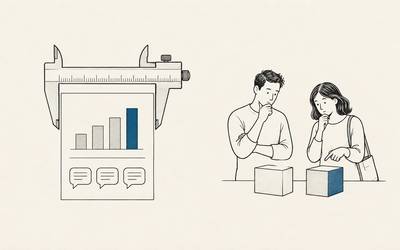
How well do prompt selection, conversation flow, context and personas in AI visibility tests represent real customer behaviour?
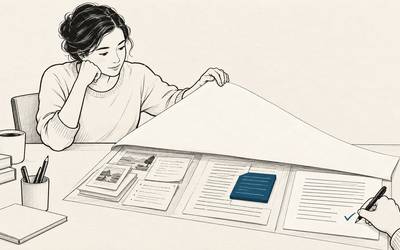
Saying that AI was used in an article does not explain who shaped its ideas. A useful disclosure shows what the author and the model each contributed.

AI making my work easier does not show that users' lives have improved. A reflection on everyday benefit, how gains are shared, and who judges progress.
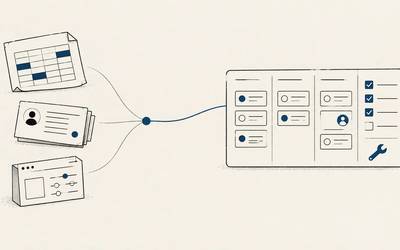
What a sales-conversation analysis project revealed about the data, judgment, and responsibility required to turn an AI tool into a usable business process.
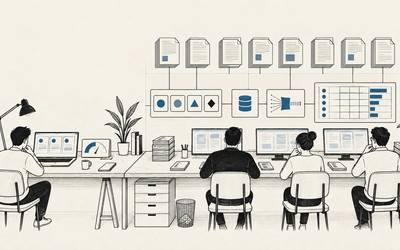
Why does AI cost management become harder when a company moves from a few subscriptions to thousands of users? Tokens, user behaviour, and the total cost of the work all matter.

AI can increase what a small team can produce. A game-development experiment shows why lower production costs do not automatically create commercial success, and why learning capacity still matters.

The steps I plan to take in my company to find employee-built AI workflows, prepare them for shared use, and make them transferable.
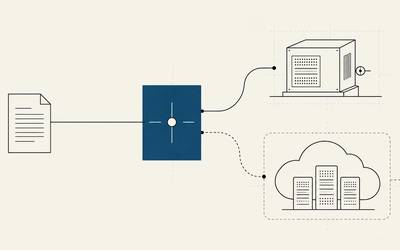
How to assess data control, operating burden, adaptation, and switching cost when choosing between open-weight and proprietary AI models.

Already GDPR compliant? Learn when Turkey’s KVKK may apply to your European business, what existing controls can cover and which Turkish requirements need a separate review.
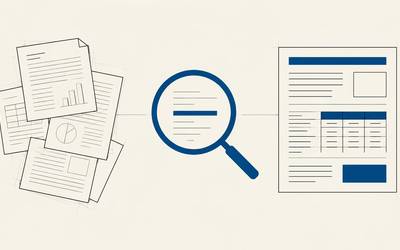
When does making company documents searchable with AI actually help? The answer depends on how information reaches a decision and how the result is measured.
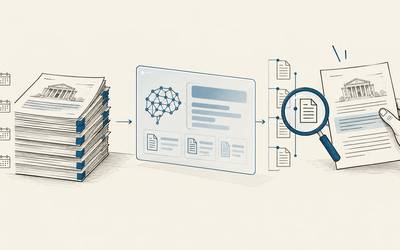
Reporting on the Hanover Institute raises a business question: which accurate, attributable sources do AI assistants surface when people ask for public information?

AI can change the economics of deferred system migrations. PeşinTaksit, Asana, Airbnb, and Uber show why scope, verification, and migration choices still matter.

National AI infrastructure requires more than GPU capacity: access, data practices, skills and a route from public pilots to reliable use.
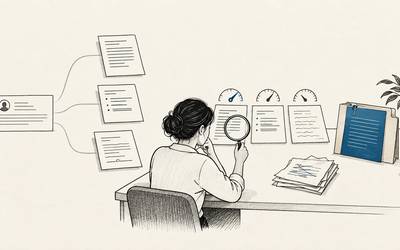
Stripe’s agreement to acquire OpenRouter raises a practical question: when does a shared AI-model platform improve completed work, and when does it add cost or dependency?
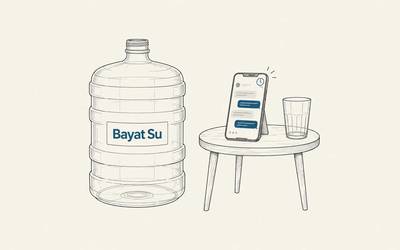
Late water deliveries expose a problem with AI projects: faster complaint handling can improve call-centre metrics while leaving the customer’s problem unsolved.
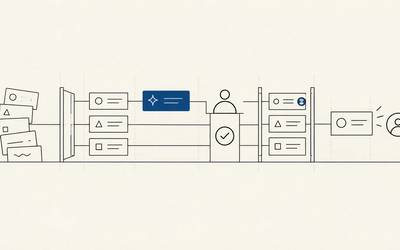
AI transformation is not proven by a smaller headcount. It begins by redesigning tasks, decision rights, controls, and business outcomes.
What Türkiye's AI statistics and action plan tell business leaders about adoption—and what they cannot tell us about suppliers, operations or competitiveness.
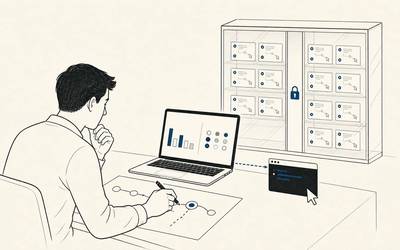
Can you have AI watch Clarity recordings and produce a ready-made optimization report? The limits of data access, automation, and human judgment in CRO research.
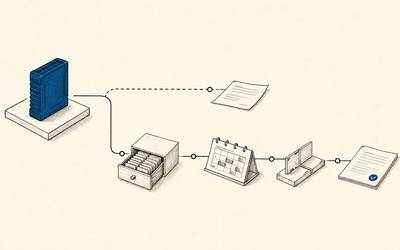
You may use the same AI as your competitor. The competitive difference emerges when the model changes the promise made to a customer and informs the next decision.

Trusting AI advice, accepting it, and making a sound decision are not the same. Human approval alone cannot tell them apart.
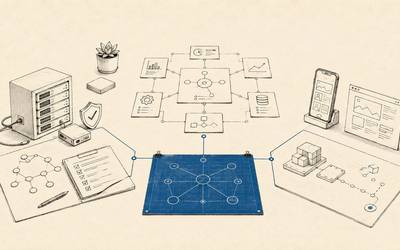
CIO, CTO, and IT Director roles make more sense when read through responsibility, decision authority, and the role technology plays in the company.
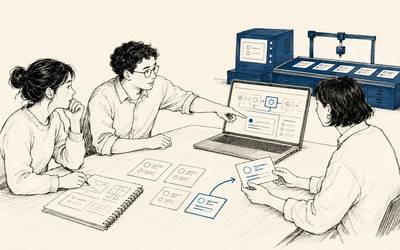
People should not only write the brief and check the final output. Where should they stay involved while AI produces code, documents, or analysis?
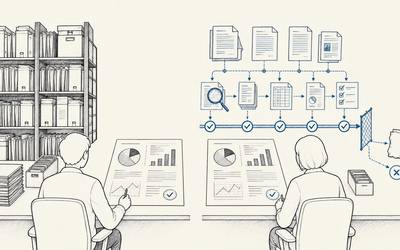
Can less experienced workers close the seniority gap with AI? I examine AI fluency, workflow design, and when experience still creates real value.

Why experience, organizational memory, and employee trust need protecting when an AI-led restructuring changes how a company works.

Don't chase Reddit, search, or press visibility just to be recommended by AI. Separate genuine usefulness, platform fit, and technical SEO from attempts to manipulate metrics.

Before investing in a voice agent, test whether the audience will engage by phone, whether the conversation completes useful work, and whether the result justifies the full cost.

If AI reduces the specialist hours behind agency execution, what remains? An analysis of strategic capability, staffing, and accountability for outcomes.

How should companies prepare employees when AI changes their work? I examine training, role design, and internal transitions together.
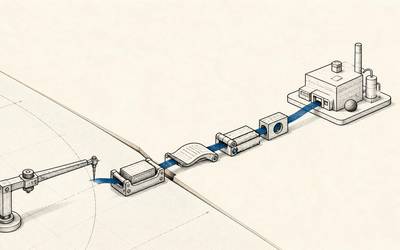
When the EU AI Act can cover companies outside the EU, how legal scope differs from practical enforcement, and why the EU connection matters.
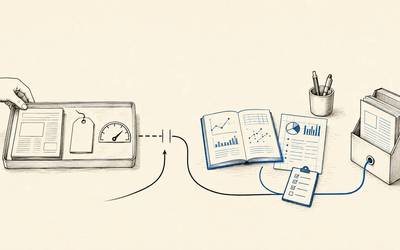
What should you ask when an agency asks you to spend money on backlinks? The possible effects of paid links, Google's position, and a strategy for earning links organically.

Time saved with AI does not always need to become more output. Quality, lower overload, and management visibility are also real business value.

What Casey Newton’s LLM wiki reveals about using AI to connect new articles with an existing archive, research notes, and editorial decisions.
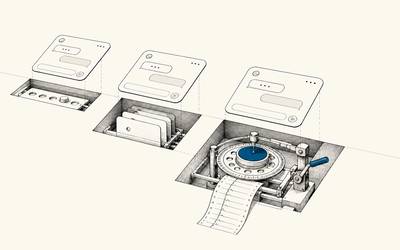
When is a healthcare chatbot an administrative tool, a high-risk triage system, or a medical device? A practical guide to the EU AI Act, medical-device rules, and data protection.

Risk classification is only the beginning under the EU AI Act. Company role, purpose, data flows, transparency, and other laws still need separate assessment.
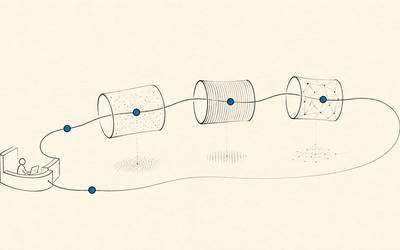
What GDPR and Türkiye's KVKK require when chatbot conversations are sent to OpenAI, Anthropic, Gemini, or another third-party model provider.
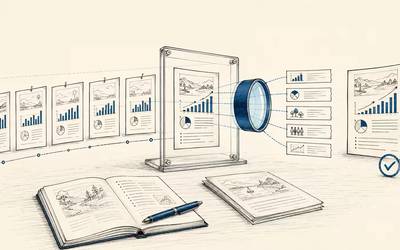
Why I publish my publishing data, how an AI-assisted monthly report connects traffic, search, and publishing evidence, and why editorial responsibility still stays with me.
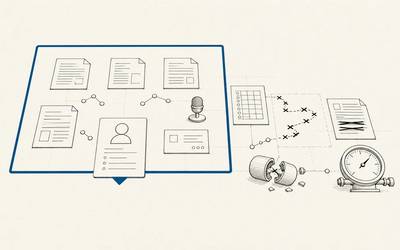
LLMs and AI search systems do not measure expertise directly. They infer it from visible online evidence. This article examines the gap between visibility, repetition, and tested expertise.
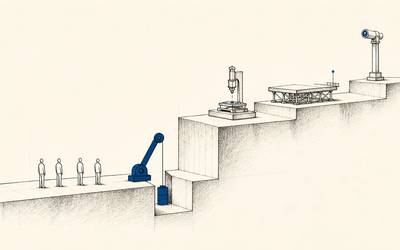
When does using AI become business value? I examine the links between model capability, completed work, operating capability, and measurable results.

The EU AI Act explained: who it covers, prohibited practices, high-risk systems, transparency duties, application dates, and penalty ceilings.