
2026-10-23
Does AI Visibility Actually Win Customers?
AI visibility, traffic and customer acquisition measure different outcomes. Research and one healthcare company's lead, quote and deposit payment data show why that matters.
Read →3 min
I write about how businesses can use AI, software, data, and process redesign to create measurable value — starting with the business problem, not the technology.
I've been building software with a range of programming languages and technologies since 1998, designing reliable, scalable system architectures.
My perspective spans writing code, leading technology teams, and working hands-on across sales, marketing, and field operations.
I care less about what AI can do in theory than which processes and outcomes it can improve in a real business.
Yes, I work on technical problems too. But I don't write about technical subjects for technology's sake. I write about the business problems AI, software, automation, data and process design solve in a real business—and what they change. The question at the top of my agenda lately is this: How does a company move from using AI simply to ask questions and get answers to integrating it into its processes, decisions and, when necessary, its business model?
If you have a particular question in mind, the guides explain the basics and the decisions involved, with links to relevant articles. You can find recent writing below and other guides and topics on the Explore page. Whether the intelligence is artificial or human, the question remains: How can we improve the quality of our work, become more efficient, innovate, work more professionally, and create more value?
Reading guides
Start with the guide that fits your question: assessing a project, changing how work gets done, or deciding who is responsible.
It covers the work problem, the information required, the system's authority, and success criteria together.
How to Design an AI System for Your BusinessIt discusses the move from tool use to work capacity, changing tasks, and how to use the time that is released.
Building Organisational Capability with AIIt covers the scope of use, human oversight, data flow, and who can intervene when needed.
AI Governance and Responsible DeploymentRecent writing on AI, software, and business.
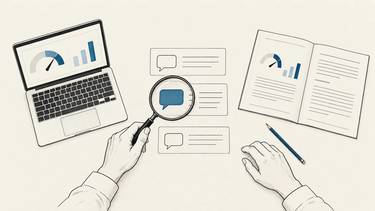
AI visibility, traffic and customer acquisition measure different outcomes. Research and one healthcare company's lead, quote and deposit payment data show why that matters.

What Google, Bing and Yandex say about AI content, how I use AI on this site, and how human review can keep an editorial workflow accountable.

AI job listings in Türkiye describe different needs: reliable systems, product decisions and company-wide change. The responsibilities tell us more than the titles.









Hands-on notes and tutorials on Go, Linux, Docker, web fundamentals, and more—with new technical writing added as I publish it.

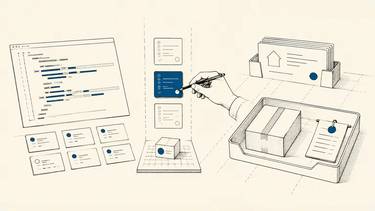


I first try to understand what needs to change. I choose the technology only after the problem, expected benefit, and cost are clear.
What should improve: cost, speed, capacity, quality, or revenue?
How does the work happen today, and where are time, money, or knowledge being lost?
Even if I do not act today, I consider likely scenarios. A small preparation now can prevent far more work later.
Which change is most likely to produce a meaningful result?
Is the expected gain worth the cost, effort, and risk?
What should be removed or changed before anything is automated?
Would AI, software, an existing product, or a process change be the best fit?
Put the change into practice and measure what actually improves.
Short accounts from systems built in the real world, with the details that made them useful.
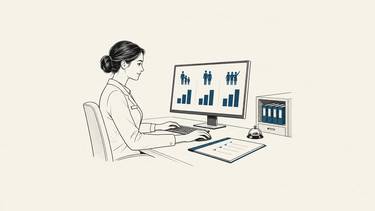
A real-time decision-support and sales-management platform for routing, payments, and management visibility.
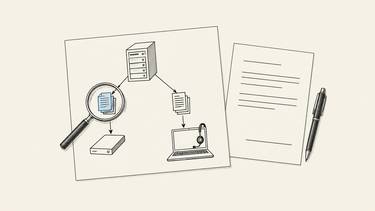
Read →What emerged from building and operating a chat system for patients across channels.
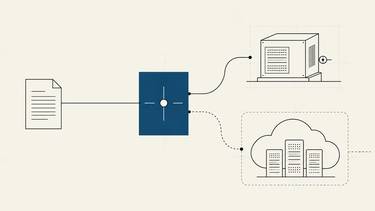
Read →A modern open-source infrastructure assembled with a small server and Cloudflare.
Read →Open Publishing
Explore this blog’s publishing and visitor statistics, search visibility data and monthly reports in one place.