AI Visibility Is Also on States’ Agendas
Written by Evren BalPublished · 5 min read
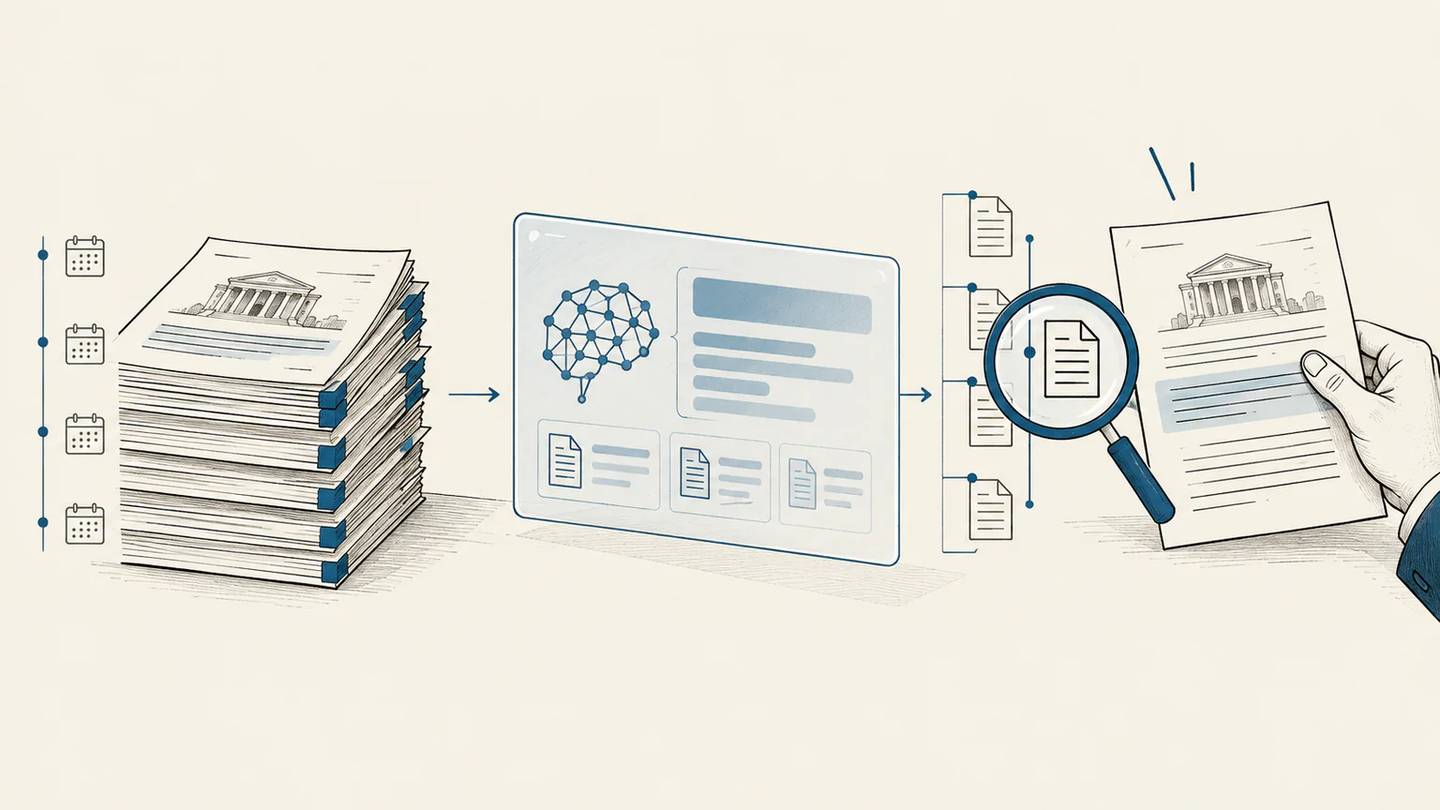
According to the Guardian's reporting, the Hanover Institute published 124 reports, totalling more than 560,000 words, between 6 and 14 August 2026.
The interesting business question is larger than the volume of content produced in a week. The communication logic that leads brands to care about how they are described in AI answers is reaching state communication too. Reporting around the Hanover Institute gives us a concrete case to examine that shift. But it helps to separate the public record, the reporting's interpretation, and what remains unknown.
A publishing site presented as a think tank
The Hanover Institute for Public Policy is a site that publishes reports about Israel and Palestine. 404 Media's investigation described it as a “synthetic think tank”: a publishing operation structured like a research institution, with question-led titles and citations but no individual author bylines. The outlet's interpretation is that the material was prepared to influence search engines and chatbot responses. That is a journalistic characterization, not a court finding or an independent measurement of impact.
Public records document a commercial relationship involving a state agency. A Foreign Agents Registration Act filing dated 2 June 2026, submitted to the US Department of Justice by Piro, states that the company was working for Israel Government Advertising Agency LaPam through Havas Media Germany. It describes the service as strategic communications and media relations. The filing also refers to communications activity intended to influence the US public. It does not make an explicit commitment to change AI answers.
FARA stands for the Foreign Agents Registration Act. The Department of Justice explains that it is intended to disclose certain foreign-principal activities and who conducts them. A filing should not be read as a Department of Justice endorsement of the published material's accuracy.
The site's own current description matters too. Hanover's About page identifies government funding and says it does not present itself as independent, non-partisan, or neutral. It explains the absence of individual bylines as an institutional publishing choice and a way to protect researchers. This is the institution's account of itself; it does not independently establish the method or accuracy of its reports. It does, however, make it harder to argue that the relationship was entirely hidden, given the current page.
Where AI enters the picture
The connection is clearer in Piro's marketed service. On its AI Story Optimization page, the company offers to examine the sources models use when describing a brand and to publish content in places those models draw on. The existence of that offer is directly observable. Whether it produces the outcome it promises requires separate measurement.
Responsible Statecraft reported that NewsGuard analyst Alice Lee assessed Hanover's reports as being prepared in ways suited to search engines and chatbots. The same report relays an earlier statement by Piro co-founder Daniel Rosenberg to Politico: he described the company's purpose as publishing sourced information and correcting misinformation. That statement shows how the company describes its purpose; it does not settle the reporting's assessment or the scale of any effect.
The technical distinction is straightforward. An AI assistant can search the web while answering a question and use a newly published page. ChatGPT's search documentation explains that those responses can show links to their sources. A page can therefore enter a response without a model being retrained.
The possibility that content may later enter training data is separate. The documents examined for this article do not show that Hanover text was used to train any particular model. Nor can the appearance of a link in an AI answer show that the model has been changed permanently.
An issue for state communication too
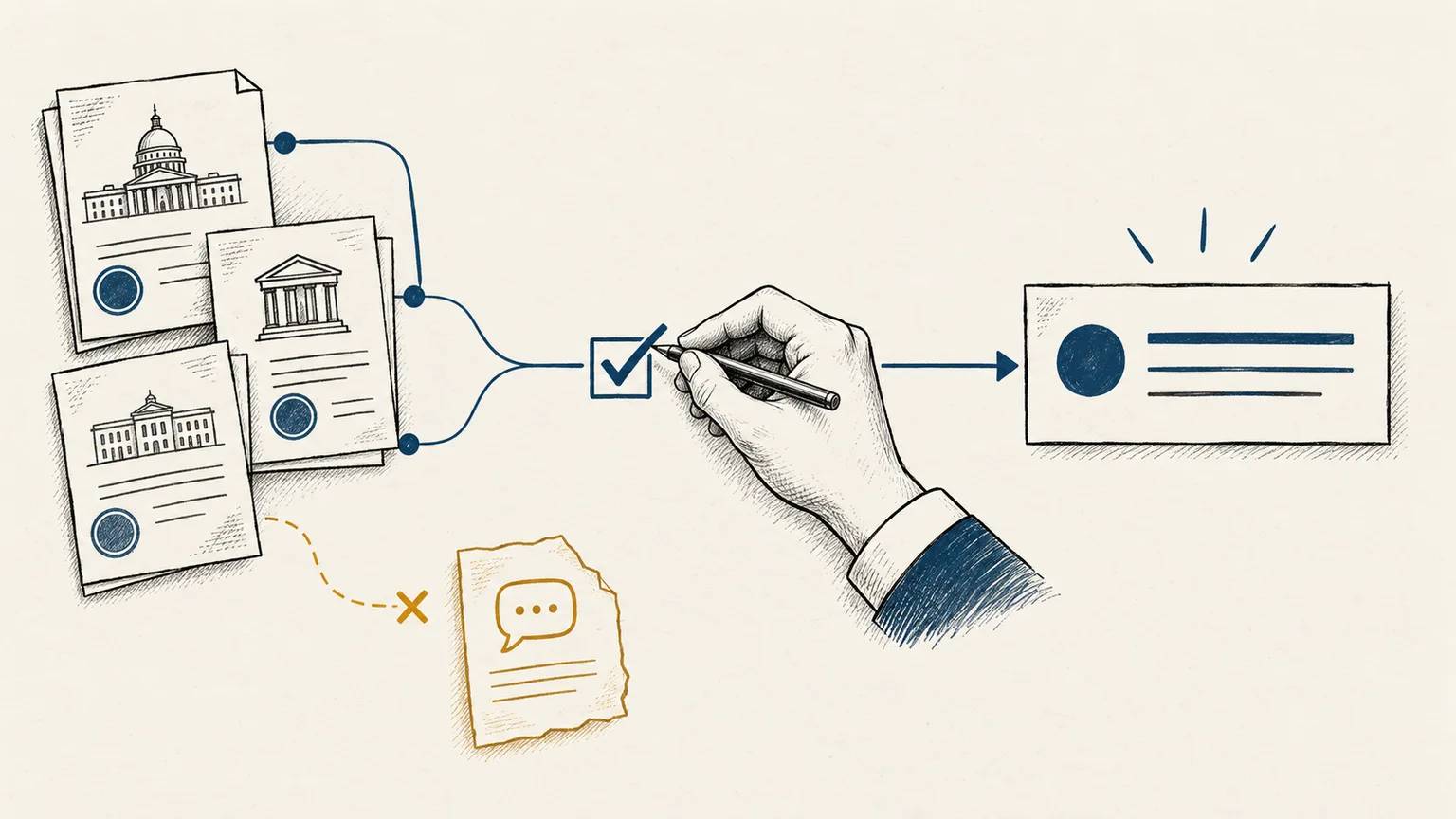
My conclusion from this case is that AI visibility also belongs on the agenda of state communication and public-diplomacy institutions. Public diplomacy includes how a country communicates with people in other countries. When people turn to AI assistants for information about a country, the sources those assistants use become part of that communication environment.
One case does not show that all states are doing the same thing. It does suggest that it is too narrow to treat the issue only as a brand's customer-acquisition concern.
The practical response does not have to be an order for hundreds of new articles. Someone considering an investment in Türkiye may receive an answer about incentives based on an expired document. A tourist may find outdated guidance instead of the current requirements. These are not measured outcomes in this case; they illustrate the questions and information sources worth monitoring.
For public institutions, the starting point is to keep their information current, accessible, and understandable in relevant languages. Then they can examine how they are represented in important questions. The same effort includes clear publisher and funding information, visible dates, and traceable corrections. An institution's position and an independent source's findings should be presented in a way readers can distinguish.

The measure does not change for companies
For a company as much as for a public institution, appearing in an AI answer is not an outcome on its own. The answer needs to be accurate, include the necessary conditions, and help a person make a decision. The people-first principle in Don't Write for AI Recommendations applies to this setting as well.
The measurement limit is the same. A few links found in selected queries cannot tell us what an entire audience has learned. The distinction between a limited sample and what users actually experience in Do AI Visibility Tools Really Work? does not disappear in state communication. My comparison using Bing data also showed why a citation measure needs to be read within its own scope.
Before allocating a budget to AI visibility, an institution needs to decide which information problem it is trying to solve. Is it correcting inaccurate information, making current documents easier to find, or reducing applications based on the wrong conditions? If it cannot show which of those has changed, it may have produced more content and more citations without yet communicating better.
If this article was useful
Linking to it from a relevant page on your website or sharing it on social media genuinely helps it reach more people. Thank you for your support.
Linking and brand guidelines →About this article
- Use of artificial intelligence
- AI-assisted — The framing and central conclusion of this article were set by Evren Bal. AI-assisted tools supported source research and drafting.

A small experiment
Loading personal metrics…