
Core reading
How Can Companies Create Value From AI?
When does using AI become business value? I examine the links between model capability, completed work, operating capability, and measurable results.
Read →12 min
AI becomes strategically useful when it changes the organisation's capacity to make decisions and do work—not when it merely adds another tool. This guide brings together 6 articles on that distinction.
The same model can be available to everyone. The difference lies in the work a company redesigns, the judgment it preserves, and the capability it builds around the technology.
Start with the business result, not the novelty of using AI.
When does using AI become business value? I examine the links between model capability, completed work, operating capability, and measurable results.

Time saved with AI does not always need to become more output. Quality, lower overload, and management visibility are also real business value.

You may use the same AI as your competitor. The competitive difference emerges when the model changes the promise made to a customer and informs the next decision.
AI changes who can do which work, but it does not remove the need for judgment and strategy.

If AI reduces the specialist hours behind agency execution, what remains? An analysis of strategic capability, staffing, and accountability for outcomes.

How should companies prepare employees when AI changes their work? I examine training, role design, and internal transitions together.
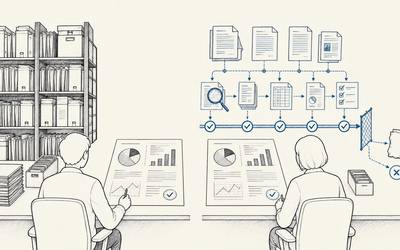
Can less experienced workers close the seniority gap with AI? I examine AI fluency, workflow design, and when experience still creates real value.
Lasting gains require redesigning work and making deliberate choices about the organisation that emerges.
Articles in this part of the guide are being prepared.