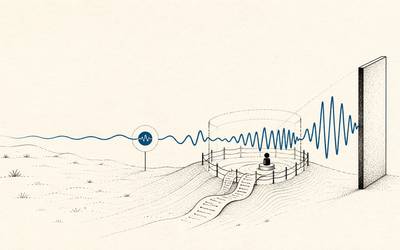
Core reading
What Is the EU AI Act, and What Does It Regulate?
The EU AI Act explained: who it covers, prohibited practices, high-risk systems, transparency duties, application dates, and penalty ceilings.
Read →17 min
Responsible AI work is not one checklist. It involves knowing what a system does, who remains accountable, and which risks change with the context. This guide brings together 9 articles.
Governance is practical design work: scope, authority, data, safeguards and the evidence needed to justify a decision.
Understand what rules apply before reducing a legal question to a label.
The EU AI Act explained: who it covers, prohibited practices, high-risk systems, transparency duties, application dates, and penalty ceilings.

Risk classification is only the beginning under the EU AI Act. Company role, purpose, data flows, transparency, and other laws still need separate assessment.
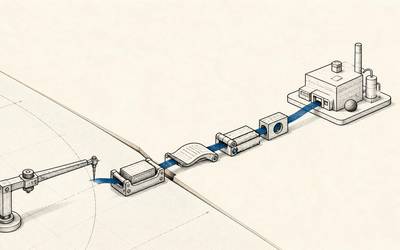
When the EU AI Act can cover companies outside the EU, how legal scope differs from practical enforcement, and why the EU connection matters.
Human review, data boundaries and justified trust are operating choices, not slogans.
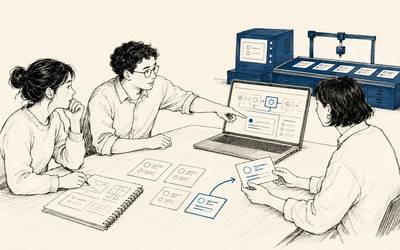
People should not only write the brief and check the final output. Where should they stay involved while AI produces code, documents, or analysis?
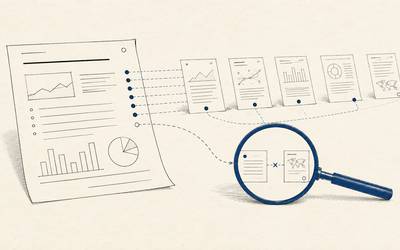
Trusting AI advice, accepting it, and making a sound decision are not the same. Human approval alone cannot tell them apart.
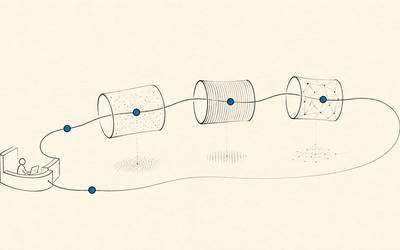
What GDPR and Türkiye's KVKK require when chatbot conversations are sent to OpenAI, Anthropic, Gemini, or another third-party model provider.
The stakes change with the system, the user and the consequences of failure.
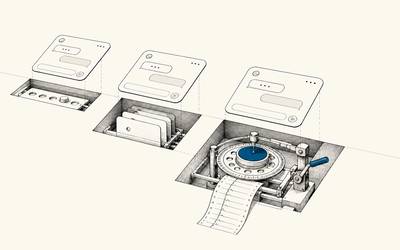
When is a healthcare chatbot an administrative tool, a high-risk triage system, or a medical device? A practical guide to the EU AI Act, medical-device rules, and data protection.

Before investing in a voice agent, test whether the audience will engage by phone, whether the conversation completes useful work, and whether the result justifies the full cost.
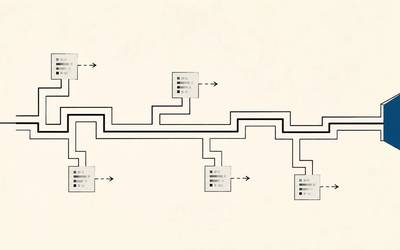
AI is not only accelerating work people already did. It is creating operational capacity companies could never afford to have — and that capacity needs a continuity plan before it becomes structural.