AI-assisted software delivery
AI-Assisted Software Delivery
AI can change the cost of producing code and of tackling deferred maintenance. Delivery still depends on making business rules, verification, ownership, and rollback decisions visible.
Start here if you approve AI-generated changes, are reassessing deferred technical work, or are designing how AI agents will work.
An evolving guideThis guide connects the decisions in my published work. I will revise the reading path as new experience and verified examples emerge.
Start with verificationWorking code is not automatically an acceptable delivery
A change can compile, pass tests, and still leave the team unable to accept it safely. When the business rule, authorization, failure behavior, or relationship to the existing system is unclear, the reviewer must first reconstruct the decisions.
This distinction is not unique to AI. AI makes the cost of missing context surface earlier and more often when it increases the volume of draft code.
- Purpose
- While code is producedTurn a request into an implementation.
- When delivery is acceptedShow that the right business outcome is preserved within the right boundaries.
- Required context
- While code is producedThe prompt, the visible task, and existing files.
- When delivery is acceptedBusiness rules, dependencies, failure scenarios, and production operating conditions.
- Evidence
- While code is producedGenerated files and an initial test result.
- When delivery is acceptedExplained decisions, relevant tests, reviewed risks, and a rollback path where one is needed.
The first article explains why a review request is more than a package of code. When the author can explain decisions, assumptions, tests, and uncertainty, the reviewer does not have to rediscover the missing work from the beginning.
Related article
An article on where verification work moves
AI Made Code Cheap. Verification Is Still Expensive.
It explains why a team must manage understanding and review capacity separately as code production increases.
Opens in a new tab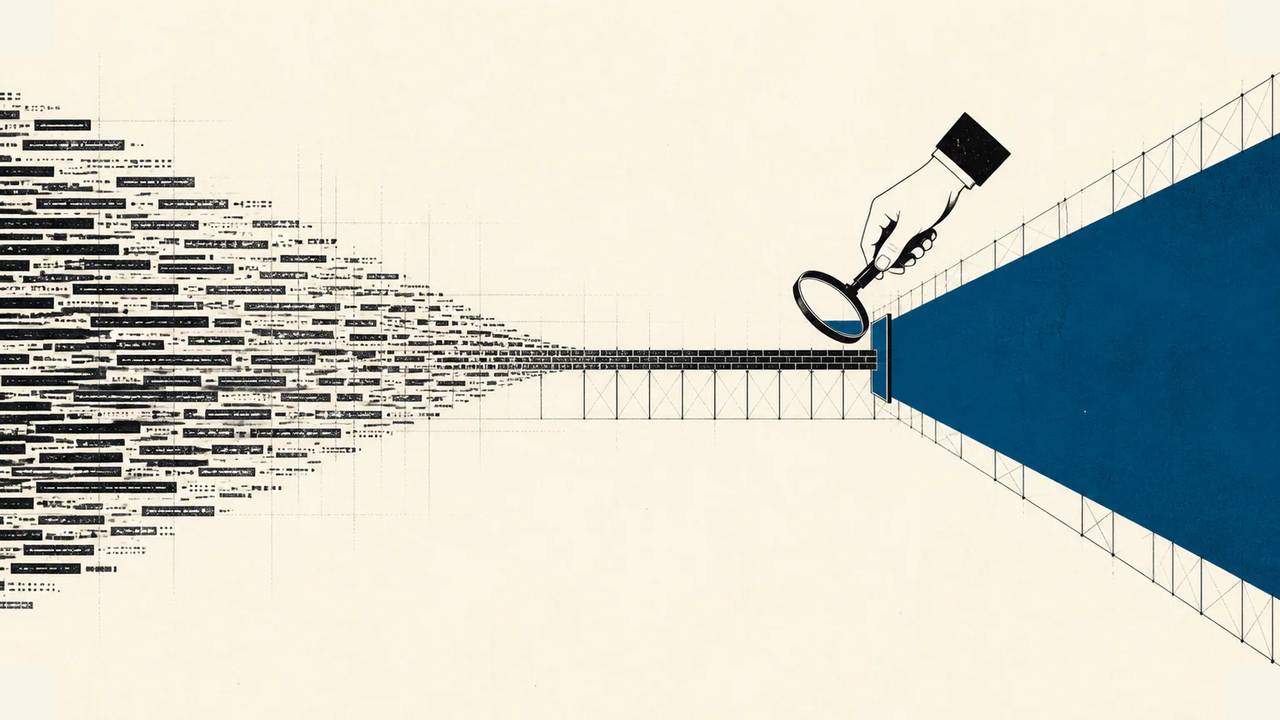
API changes make this requirement concrete. If deletion, retry behavior, record ownership, authorization, and error contracts are left to assumptions while code is generated, a technical choice can quietly become a business decision.
Related article
A working note for making AI-assisted API decisions visible
Preserving API Quality in AI-Assisted Development
It shows which REST decisions to examine in an initial instruction, an independent review, and delivery checks.
Opens in a new tab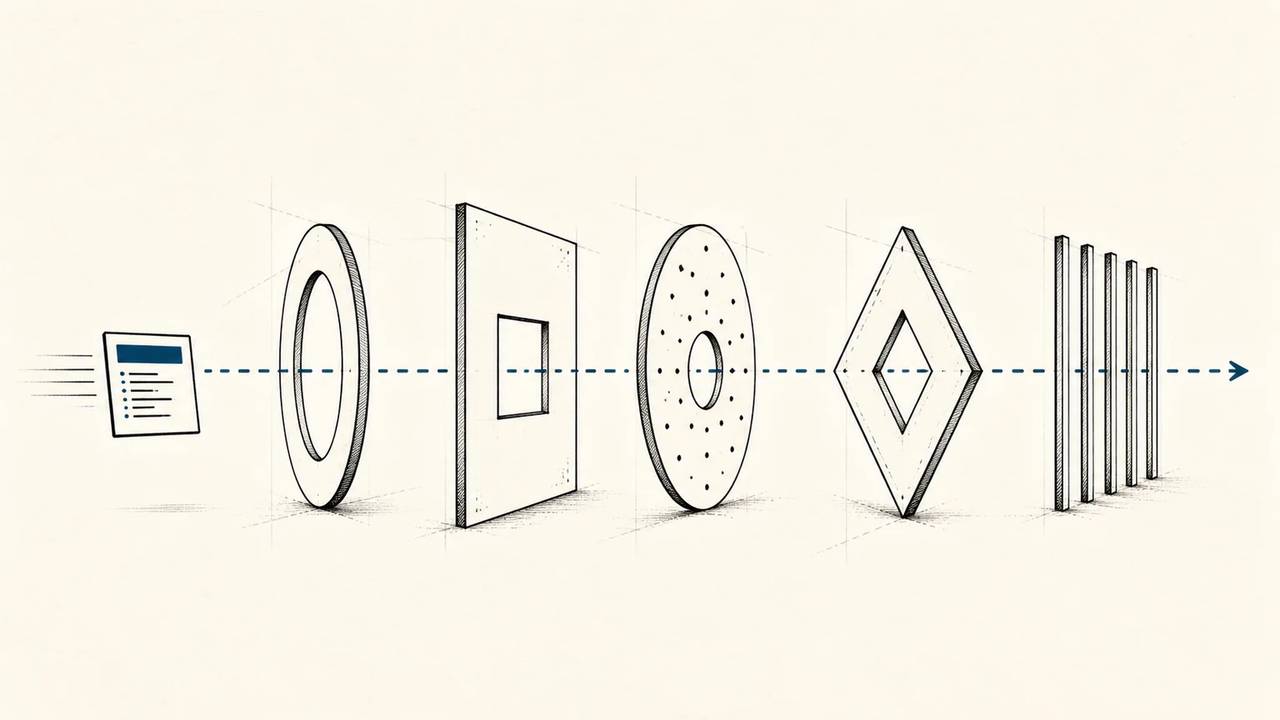
Recalculate the cost of deferred work
With AI assistance, a cleanup that was not worth several days may become feasible. That does not mean every old system should now be migrated. Start by separating the cost that caused the work to be deferred.
- What is the objective of the deferred work: fewer moving parts, a dependency that can be retired, lower risk, or a visible operating burden?
- Alongside code generation, how much time is needed for review, testing, data migration, and rollback?
- Can a limited trial cover both the common case and a difficult exception?
- Could simpler automation, an existing tool, or manual completion do the work more safely?
The PeşinTaksit field note describes moving a four-container setup to a single Cloudflare Workers deployment. About one hour is the observed duration; there was no parallel comparison without AI, so it is not a general speed benchmark. The narrower finding is that a cleanup I would not have given three to five days to became feasible for that project.
Related article
A field note with a clearly bounded scope
With AI, a Refactor I Wouldn't Bother With Took One Hour
It considers maintenance burden, infrastructure simplicity, and rollback planning for a small, lightly used product.
Opens in a new tab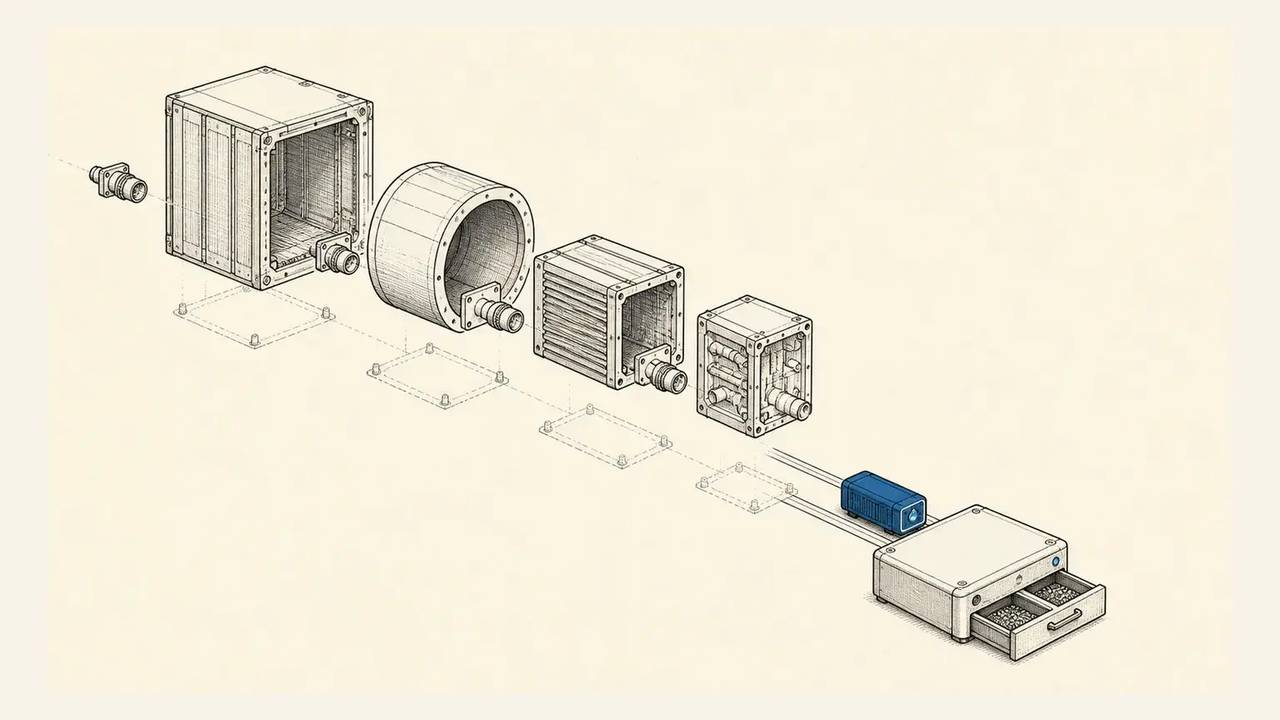
For larger migrations, tool choice alone does not explain the outcome. The article considers the Asana, Airbnb, and Uber examples with the limits of their sources: one company’s duration or cost estimate is not a promise for another team. The useful move is to recalculate your own deferred work with a verification system in view.
Related article
An analysis of reassessing migration cost
AI Can Make Deferred Work Worth Doing
It treats scope, human review, deterministic tools, and rollback ownership as parts of the same decision.
Opens in a new tab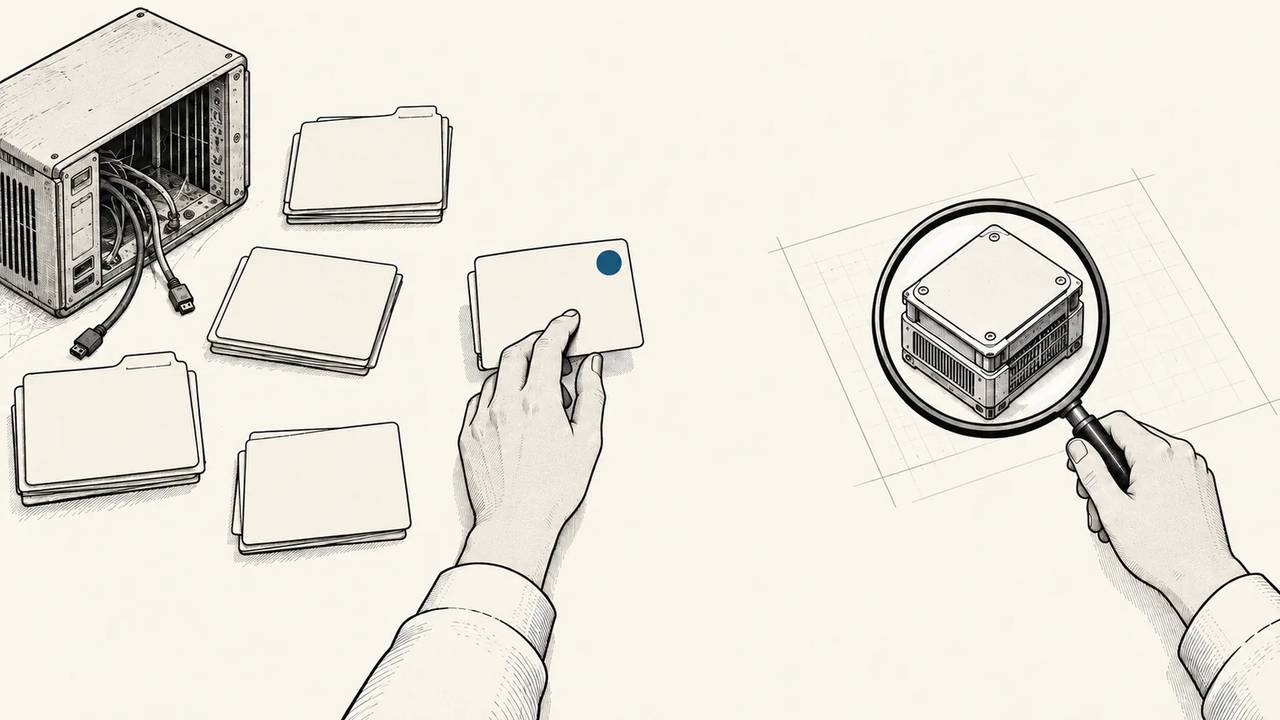
The operating structure around the model
A response produced by a model and a system that completes a real task are not the same thing.
- Task and boundary
- The system should make clear what work it performs, what it does not perform, and when it stops.
- Information and authority
- The context the model sees and the tools it can use should be limited to what the task requires.
- Result check
- Where possible, verify independently that an output exists or that the right system received the change.
- Exception and return
- Retries should not create duplicate action; uncertainty should return the work to a person.
When the related article is published, this section will examine how tools, state tracking, and control loops around a model change delivery behavior.
Related article
An explainer on the AI harness
What Is an AI Harness? A Plain-English Explanation
It separates a model producing a response from the operating structure that completes real work.
Opens in a new tab
A short delivery decision record
Before starting an AI-assisted change or migration, write these four points down. They reveal which risk speed might otherwise conceal. This is not a scoring system; it is a compact record for the team to discuss.
- Expected change
- Which business outcome, behavior, or maintenance burden will change?
- Acceptance evidence
- Which test, observation, or human review will show that the intended result is preserved?
- Ownership and boundary
- Who can explain the decision, who accepts it, and where does the system stop and return to a person?
- Rollback
- If there is a problem, which data, behavior, or deployment can be safely reversed?
If one answer remains uncertain, choose a scope that reduces that uncertainty first. Faster code production does not decide the conditions under which the team can call a delivery safe.
Return to the guide startAll articles on this subject
Published articles are collected here so that the different delivery decisions can be read together.
Opens in a new tab
Quality and verification
Maintenance and deferred work
The delivery system
Where to go next?
This guide opens one part of the decision. These two related topics can help you examine another part of the same decision.
How to Design an AI System for Your Business
Which system decision does the change you want to deliver depend on?
Check whether the business problem, required information, and authority are clear before design.
AI Governance and Responsible Deployment
How is decision ownership retained when delivery speeds up?
Make human approval, authority boundaries, and intervention conditions part of the design.
Writing beyond the guides
Other essays on AI, software, operations, and business decisions sit outside these guides too.
Browse all essays