
2026-09-20
When Should Claude Code Crack a Joke?
Emre Erkan's sitcom-flavour plugin brings sitcom lines into Claude Code sessions. An honest look at the personal value of small side projects.
Read →4 min
Nearly three decades of designing, building, and shipping software: architecture decisions, infrastructure, and the trade-offs that determine whether a business idea can become a dependable operating system.
Emre Erkan's sitcom-flavour plugin brings sitcom lines into Claude Code sessions. An honest look at the personal value of small side projects.
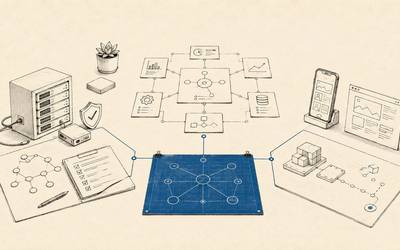
CIO, CTO, and IT Director roles make more sense when read through responsibility, decision authority, and the role technology plays in the company.
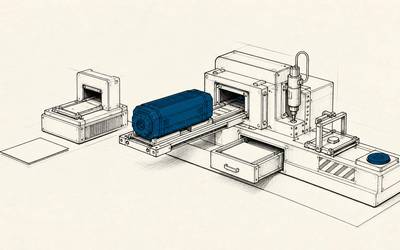
Why can the same AI model perform so differently across products? The application, context, tools, permissions, and evaluation setup all shape the result.
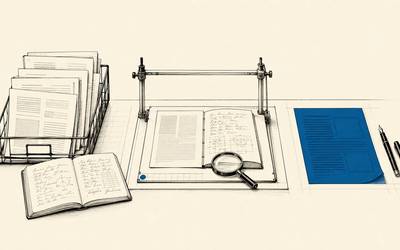
What Casey Newton’s LLM wiki reveals about using AI to connect new articles with an existing archive, research notes, and editorial decisions.
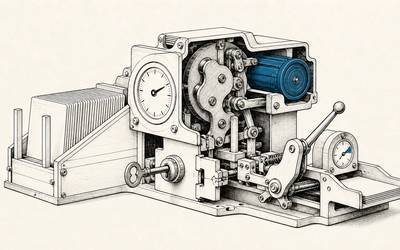
A company-specific AI system is more than a model trained on company data. The real difference often lives in data, rules, tools, permissions, and measurement.

When an AI system uses several models, should requests be assigned by explicit rules, predictive routing, cascades, or fallback paths?
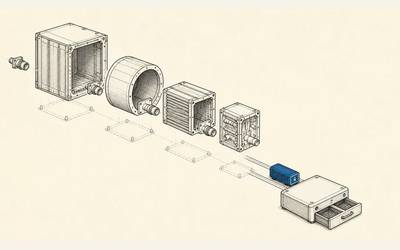
PeşinTaksit was a neglected side project that still required four containers. With AI, I moved it to Cloudflare Workers in about an hour.
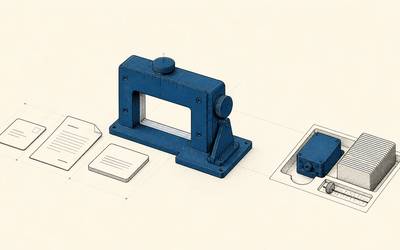
When should an AI system begin with one model, and what improvement in quality, cost, speed, or risk would justify adding another?
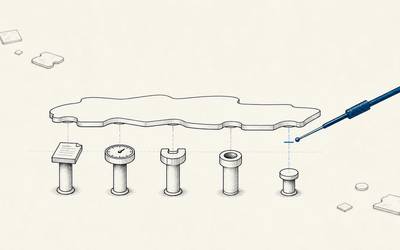
Whether data is sufficient depends on the decision it must support, how current it needs to be, and how the outcome can be verified.
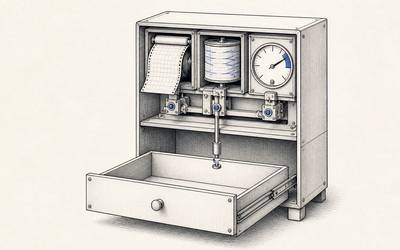
A good model response, a completed task, and a measurable business result are three different outcomes. Here is how to evaluate each one.
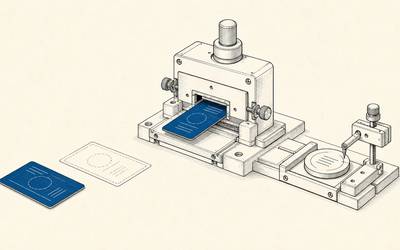
When should an AI system prepare a recommendation, and when should it be allowed to execute a real transaction? A practical boundary for authority, approval, and verification.
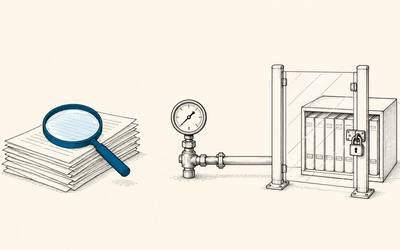
When should enterprise AI use RAG, direct context, a database query, or an API? A practical way to choose the right source for each question.
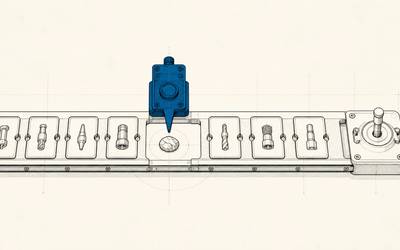
Customer support, lead routing, REDAR, and incident diagnosis show the practical difference between software-defined workflows and AI agents.

When is providing a document enough, when does RAG help, and when does fine-tuning actually make sense? The decision starts with information, rules, and patterns.

Why model selection should not be the first decision in an AI project, and what must be defined about the business outcome, action boundary, and evidence first.
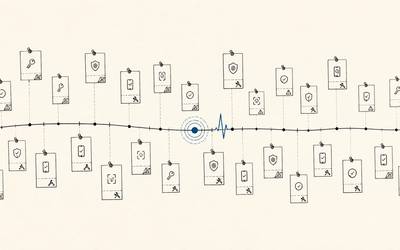
A single bank integration may be straightforward. The real cost is normalising different access models and keeping dozens of connections working as banks change.

A short guide to preserving resource models, HTTP behaviour, error handling, authorization, security, and contract decisions in prompts, reviews, and delivery checks when building REST APIs with AI.
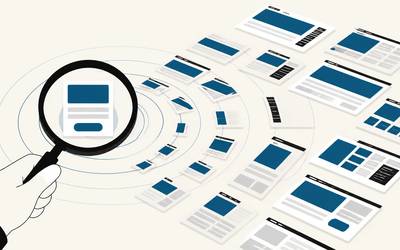
Why website redesigns should separate design, CMS, URL, content, form, and measurement changes, and how progressive redesign reduces migration risk.
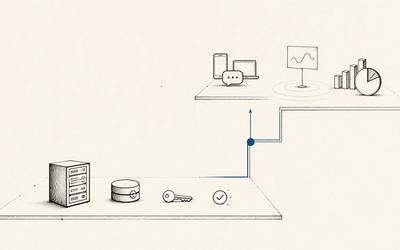
Why keeping technology running and using it to transform the business should not be treated as the same responsibility.
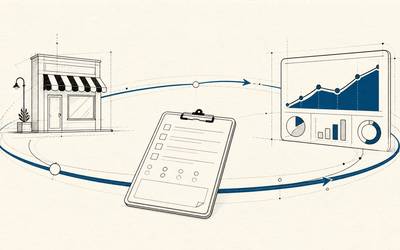
A note on how I built the operational system behind PlusValue's mystery-shopping work, which began as a university final project in 2005.

A positive customer experience does not automatically turn into a review or recommendation. A small observation about follow-up, timing, and how AI changes the cost of building useful software.
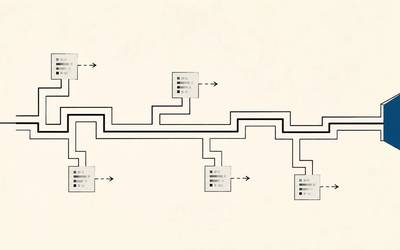
AI is not only accelerating work people already did. It is creating operational capacity companies could never afford to have — and that capacity needs a continuity plan before it becomes structural.

AI is rapidly changing team capacity and software economics. That calls for a fair view of the past—and new expectations for today.
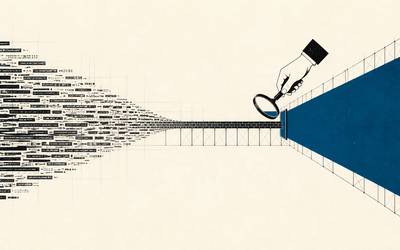
AI can produce an implementation in hours. If its author cannot explain the decisions behind it, the real engineering work has not disappeared — it has moved to the reviewer.
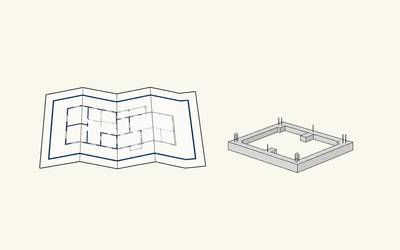
Access to global know-how is a real advantage. But there is an important difference between applying ready-made knowledge and creating it yourself.

I built ProductLog so founders can record their work as it progresses. The platform is live, and it remains a meaningful part of my work. But its premise also creates a tension: a well-kept public record makes a product’s story easier to follow and understand than scattered blog posts do. When AI can gather and process those records more quickly, that same clarity may become a useful shortcut for competitors.

An analysis of the false speed illusion of AI coding, DRY violations, the devaluation of invisible quality using Akerlof's Market for Lemons, and the upcoming crisis of the 'Previous Vibe Coder'.

I ship with AI coding agents daily. The hidden risk is the gap between what the system can do and what I can still explain, debug, and safely change.

AI may reduce the routine work through which junior developers learned. The more consequential question is how organisations will preserve practice, feedback, and the path to senior capability.
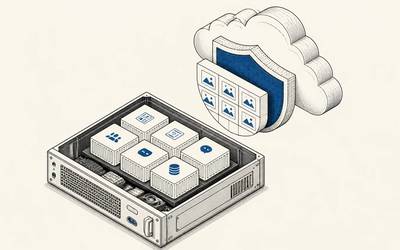
How I use Docker, Redis, and Cloudflare to run camiler.org on one small VPS, what problems it solves, and which risks I still own.

How we replaced manual routing for roughly 100,000 yearly leads with a real-time medical tourism system built around language, country, shift, and capacity rules.