A Concert, a Violin, and the Story of Musicaldi
Written by Evren BalPublished · 4 min read
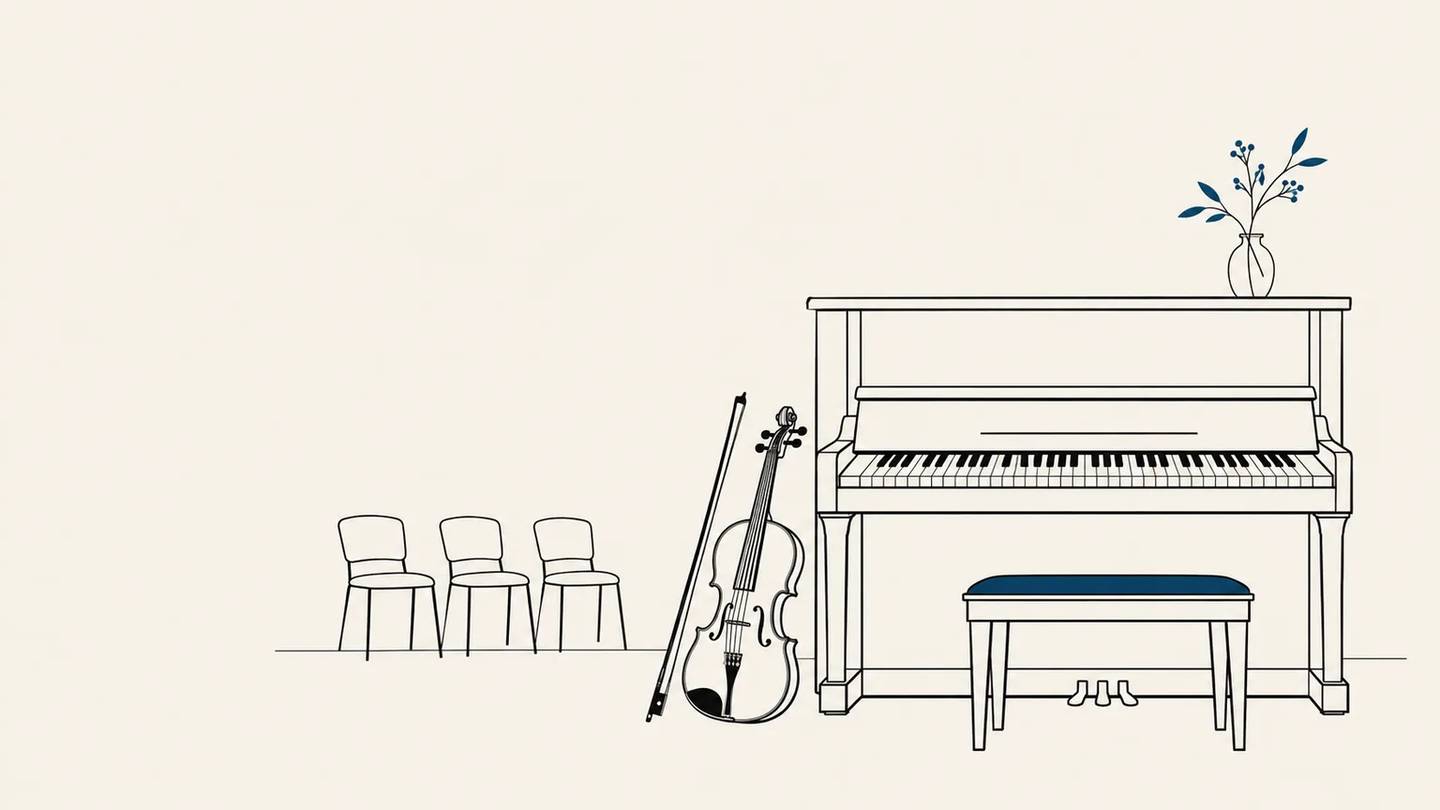
I have always admired violinists. It had never occurred to me that I might one day play the violin myself.
When I was younger, I spent time playing around with guitars, keyboards, and whatever other instruments I could find. I tried to teach myself, but I had no lessons and little idea what I was doing. I spent some time experimenting with music, then set it aside before I had really found my way into it.
Two years ago, my son started piano lessons. At the end of each term, the students performed in a concert.
I went to one of those concerts to hear him play. Watching him moved me. Then, after the children, adult students began to take the stage.
As I watched people in their twenties and thirties, I asked myself: “Why don't I do this too?”
This time, music could also be something my son and I shared.
The chance to play alongside my son
The idea of learning an instrument excited me.
I started thinking about which instrument to choose. Instead of both of us playing piano, I liked the idea of playing different instruments together.
My wife suggested drums. She thought they would suit me. But I thought taking up drums on my own after 45 might be difficult for me.
In the end, I chose the violin. I imagined playing alongside my son.
So I signed up for lessons.
Seeing those adult students reminded me that you don't have to be a child to begin learning an instrument. After 45, I could start learning one I had only admired from a distance.
Listening with new ears
Alongside violin, I started studying music theory. For the first two months, I was the only adult student, so the lessons felt almost like private tuition.
My teacher, Ersin Hiçdurmaz, explained music theory and harmony so well that my perspective on music changed.
Before, I focused on how a piece made me feel. After the lessons, I also became curious about how its elements came together. I began to understand more clearly why I liked some pieces and why others felt more carefully crafted to me.
There were relationships in music I had never noticed. Discovering them changed the way I enjoyed listening to music, too.
How Musicaldi began
When I first started the course, I registered the domain musicaldi.com. My interest in music was still fresh, and I thought I might do something with the domain one day.
While I was still attending the course, I began working on Musicaldi, perhaps because of my line of work. The idea of bringing the subjects I was discovering together on a website excited me.
Musicaldi is a free website I created for people who want to explore music theory.
It offers learning paths for different interests and levels of experience. You can follow a path or start with a subject that interests you.
Lessons cover rhythm, notation, scales, harmony, and more, with audio examples and short activities. There are also guides for specific questions and a glossary of musical terms.
The activities within lessons are available now. Standalone exercises and music tools are still in preparation. You don't need an account to use Musicaldi.
My own experience as a student shaped the site. I know what it feels like to wonder where to start or how theory relates to the music you play.
The value of a teacher
Although I created Musicaldi, I don't believe it can replace one-to-one lessons with a teacher.
The way Ersin taught music theory, answered my questions, and connected with me during lessons meant a great deal. Those lessons played a major part in changing how I see music.
I hope Musicaldi helps people who are exploring on their own, reviewing what they have learned, or wondering where to begin. I also hope its readers get the chance to learn with a teacher who helps them love music, as I was lucky enough to do.
Sharing my curiosity about music
My excitement about music and my growing curiosity were there when I started working on Musicaldi. I still hope to play alongside my son one day.
If Musicaldi helps others and sparks their curiosity about music, I will be very happy.
If you're wondering where to start with music, you can explore Musicaldi.
What have we covered?
- It is not too late to start. Seeing adult students at my son's concert helped me realise I could begin learning the violin after 45.
- Learning more deeply can change how you listen. Theory and harmony helped me notice relationships between sounds and listen to familiar pieces with greater understanding.
- Musicaldi offers free resources for exploring music. It includes learning paths, lessons, audio examples, guides, and a glossary; standalone exercises and music tools are in preparation. I don't expect it to replace one-to-one lessons.
If this article was useful
Linking to it from a relevant page on your website or sharing it on social media genuinely helps it reach more people. Thank you for your support.
Linking and brand guidelines →About this article
- Use of artificial intelligence
- AI-assisted — AI helped draft and translate this article from my personal account and direction.

A small experiment
Loading personal metrics…