AI Visibility Dropped Before Search: The Google Data That Changed My Theory
Written by Evren BalPublished · 7 min read
💡 Quick Summary (TL;DR):
- The setup: In my Bing Citation Share piece I floated a mechanism: AI search fetches pages live at query time, so a page you remove (now a 404) drops out of AI answers almost instantly.
- The new data: Later, Google's Generative AI report became visible to me in Search Console. This is not a citation count: it reports organic impressions when links to a site are shown in Google's generative AI features.
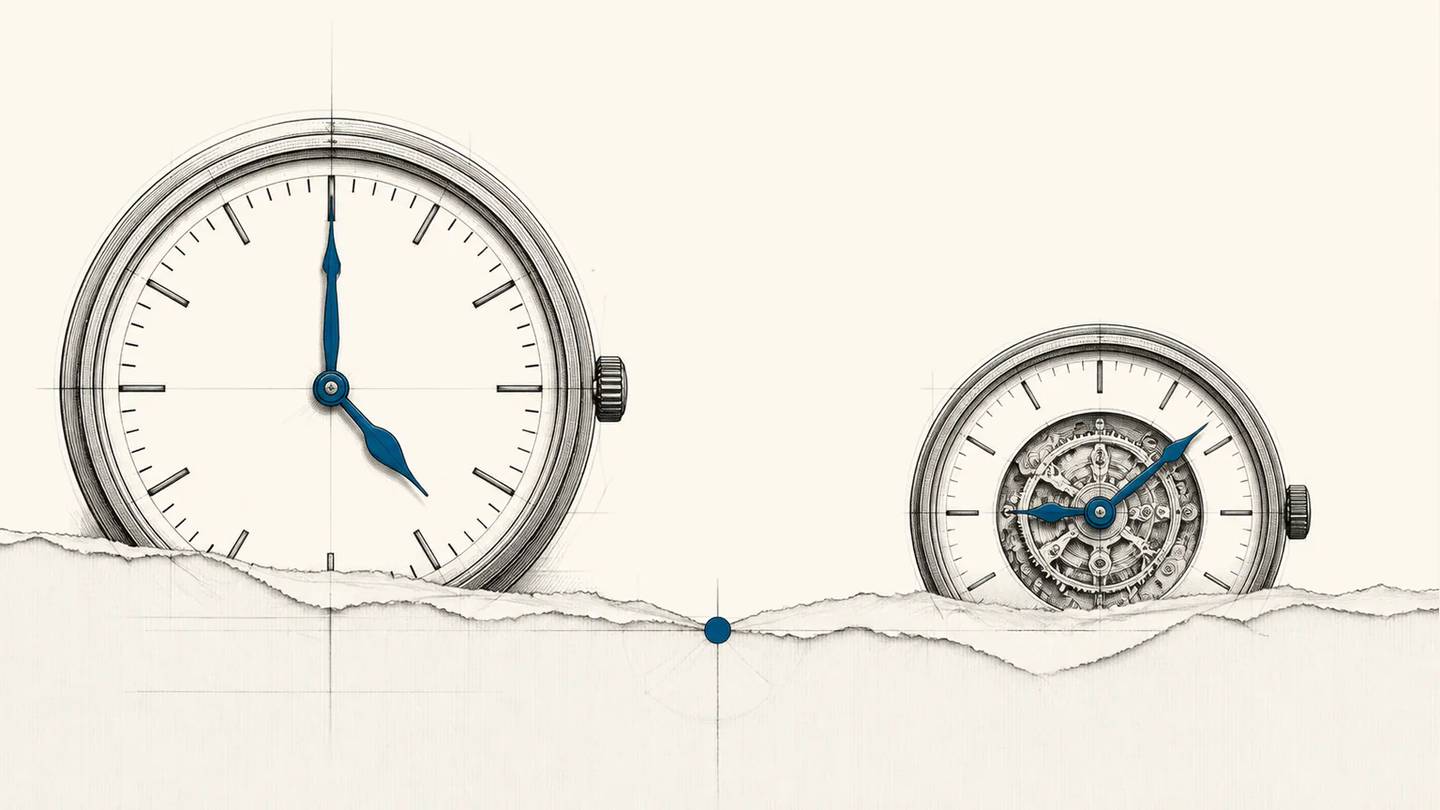
- What both engines showed in this event: After I removed pages, Bing Citation Share and Google's linked visibility both fell roughly two weeks before ordinary search visibility did.
- What broke my theory: A page removed in March retained Google generative-AI linked visibility until mid-May. That contradicts my specific at-query, live-fetch explanation; it does not reveal Google's internal architecture.
- What actually differed: In this observation, Bing moved through the visible change in weeks while Google took roughly one to two months to react.
- The honest caveat: Two products and one removal event, with the Google-side timing evidence coming from a single site. This is a report, not a rule.
A week ago I published what I had found in Bing's new Citation Share data, and I ended it with a small mechanical theory I was fairly confident about. When Google's already-announced Generative AI report later became available on one of my properties, I checked that theory against its different first-party measure. The theory did not survive contact with the second dataset.
A Second First-Party Data Point
My main objection in the Bing piece was that much of the “AI Visibility” market relies on synthetic queries: a sample chosen by vendors rather than the full range of real user demand. Bing's Citation Share gave me a first-party data point, but it still represented only one search engine. I could not carry a pattern from Bing Copilot over to Google or ChatGPT.
Google later added a Generative AI section to Search Console. It defines the metric not as a citation count, but as organic impressions generated when links to a site appear in AI Overviews or AI Mode. That gave me first-party data from two companies for the same removal event.
So I did the obvious thing and lined Google's data up against the theory I had just published.
What Held Up in Both Reports
Start with the part that held up, because it's the more important finding.
In the Bing piece I described removing a large amount of older content (a deliberate pruning, not a traffic decision) and noticing that the removed pages fell out of Bing's Citation Share roughly two weeks before they fell out of ordinary search. Google's report showed the same shape for generative-AI impressions linked to those pages. The AI-surface drop led the organic-search drop by about the same two-week margin.
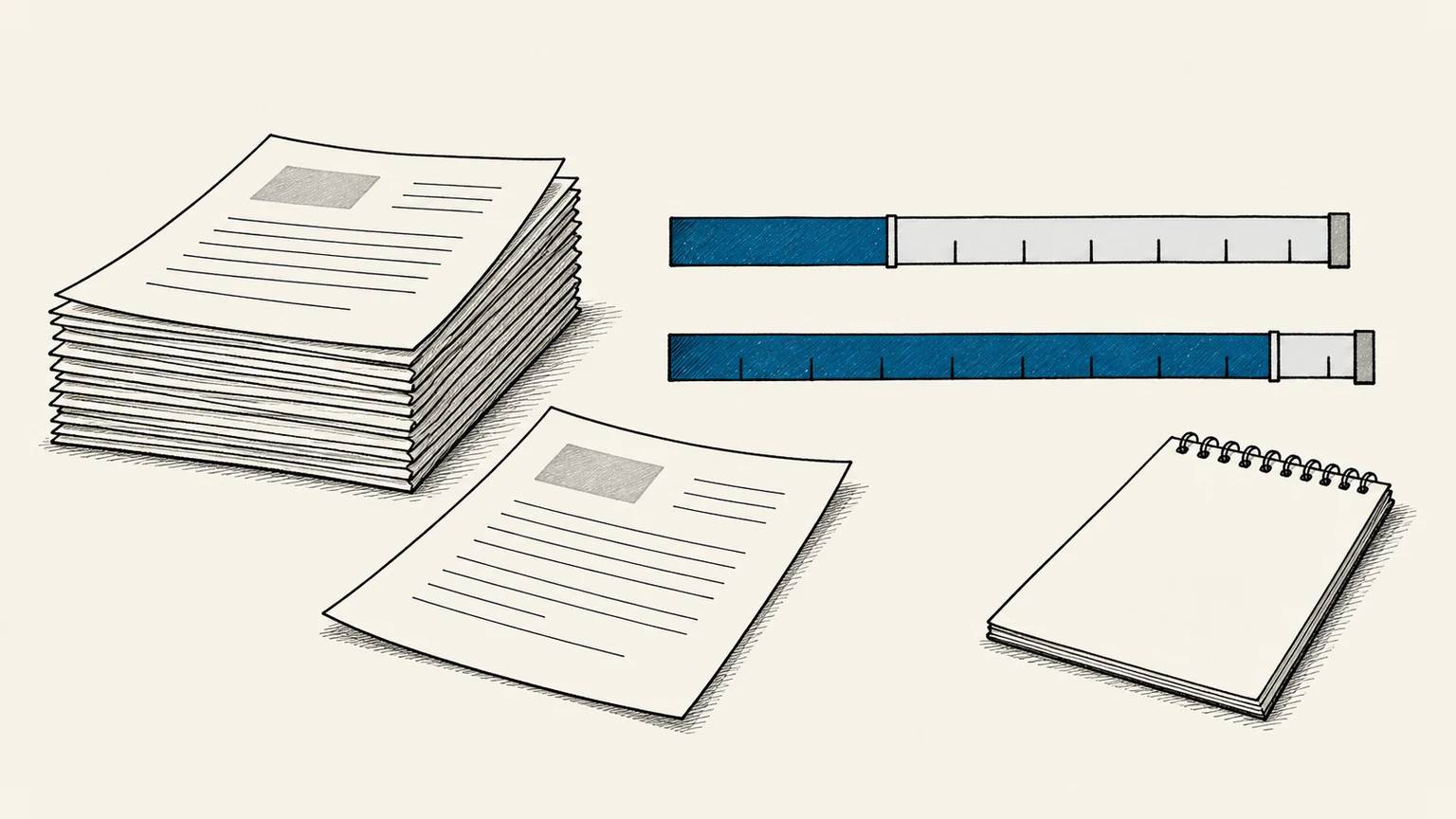
So this directional finding was not a Bing quirk in this one removal event. On both engines, the AI-facing metric changed before classic search visibility. That is a stronger observation than I had a week earlier, but it is still an observation of two products, not a general rule about every removed page.
Where Google Broke My Explanation
Here's the part I got wrong.
In the Bing piece I explained that two-week lead with a specific mechanism: AI search still uses the index to find candidate pages, but then, unlike classic search, it fetches those pages live, at the moment of the query, to read what's actually on them. A removed page is still sitting in the index, so the AI finds it, tries to open it, gets a 404, and quietly leaves it out. Instant drop. Clean story.
Google's timeline doesn't fit that story at all.
I removed those pages back in March. If Google's AI were genuinely fetching them live at query time in the way I had described, their linked visibility should have failed in March, when they began returning 404. It did not. They retained generative-AI linked visibility until mid-May, then dropped, with organic following about two weeks later.
A page that has been gone for two months but still retains linked visibility does not fit my “read it fresh at query time” story. It does not, however, prove that Google maintains a separate cached AI index. Google's AI Search guidance says its generative AI features retrieve relevant pages from the Search index. Its control documentation notes that caching and propagation across systems can introduce delays.
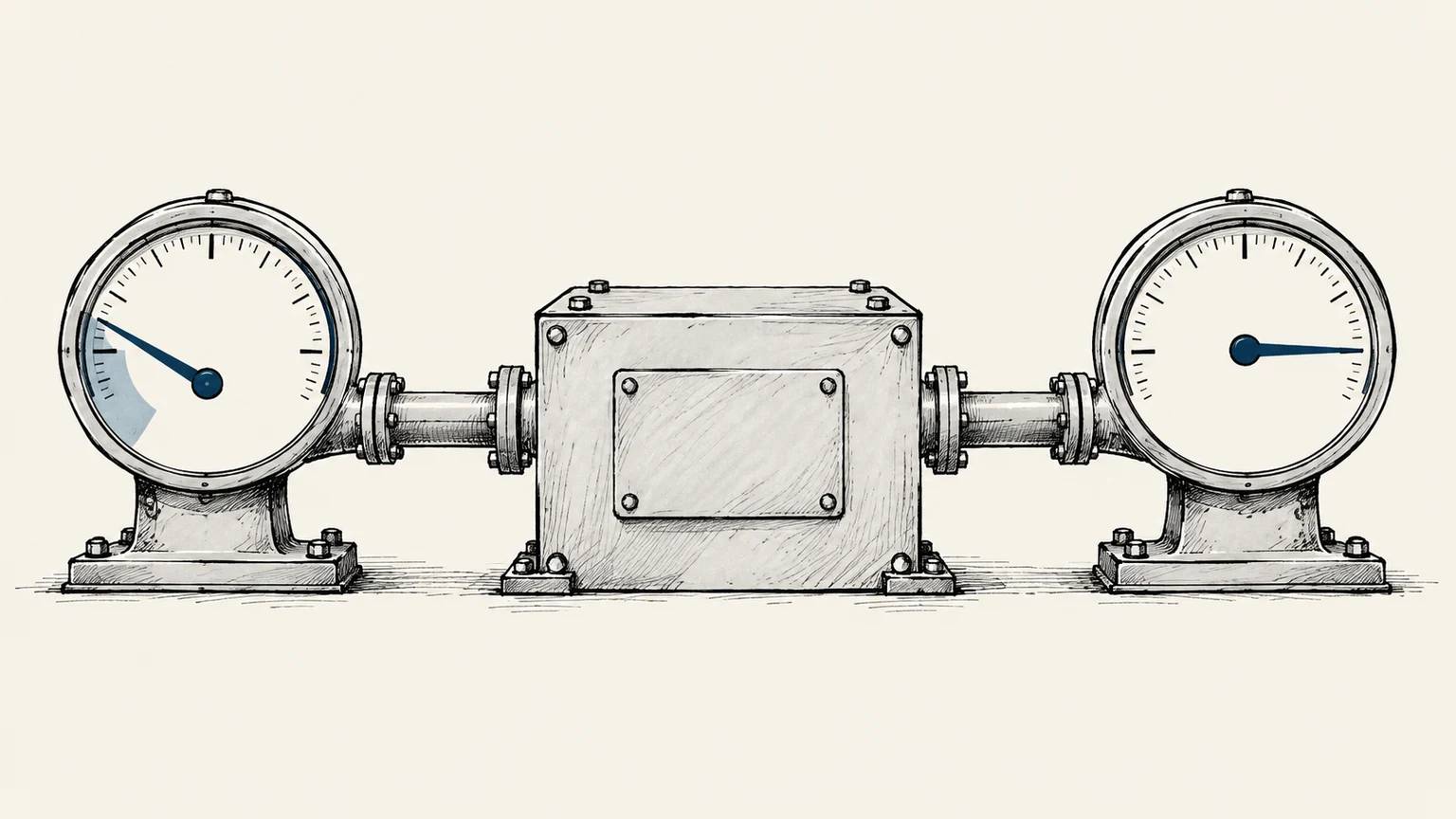
Those documents do not tell us where this particular delay arose. Crawling, indexing, serving and reporting may run on different clocks, and the report I have cannot separate them.
The early drop I saw on Bing held up. The live-fetch explanation I gave it did not.
To be precise about the evidence, Bing's faster drop never proved that theory in the first place. Google's slower result ruled out my live-fetch explanation, not every other possible mechanism.
The Observed Difference Was Speed
Once the live-fetch idea is set aside, the contrast between the two engines becomes clearer.
Both engines showed an AI-facing measure moving ahead of search by about two weeks in this event. What differs is the visible speed of the whole machine. Bing turned the observed pipeline in a matter of weeks after the removal. Google sat on it: the pages were gone since March, yet nothing visibly moved until mid-May, and the dust did not settle on organic until the end of the month. One engine reacted in weeks; the other took roughly one to two months to react at all.
I would resist the urge to turn "about two weeks" into a constant. It happened in this removal event, but these are two different products with different systems and reporting. The honest reading is narrower: the visible direction matched here, while the tempo was very different.
How Far Can This Observation Travel?
When I first wrote this article, Google's Generative AI report appeared only on the highest-traffic site I manage. The section was entirely absent across roughly ten smaller personal and company sites. By September 2026, the report had become available across all my sites. Google says the report has been rolling out over time and may also be unavailable where a site has not received enough generative-AI impressions. The report documentation states both limits.
Its later arrival does not let me infer, in retrospect, why it was missing from the smaller sites. Nor does that initial absence establish anything about their authority or visibility in AI results.
The Google-side timing analysis still rests on one high-traffic property, and the comparison as a whole rests on one content-removal event. It covers two search engines, not the full range of AI search products. What I have is a limited observation: two first-party signals moved in the same direction, and one of them disproved my earlier explanation.
What This Means in Practice
The practical conclusion is narrow and runs in one direction.
When you remove or break a page, this event suggests that an AI-facing metric may fall before ordinary search visibility does. Do not turn that into a promise, or into evidence of a separate cache. The reverse still does not follow from faster removal: Google says eligibility for generative-AI features requires a page to be indexed and eligible to appear in Search, while indexing and serving are not guaranteed. You cannot publish your way around those prerequisites or around the authority underneath them.
If you are pruning content to sharpen topical authority, the loss may appear in AI-facing metrics before it reaches your search reports. That is what happened in my case. For anyone trying to gain AI visibility, however, this data offers no separate shortcut. The need to enter the search index, publish credible content on the subject and build authority over time remains.
Google's Generative AI report is now the second number I'll watch alongside Bing's Citation Share. They are different dials, and their definitions should stay visible. Two first-party signals are better than one, especially when one tells me I was wrong.
If this article was useful
Linking to it from a relevant page on your website or sharing it on social media genuinely helps it reach more people. Thank you for your support.
Linking and brand guidelines →
A small experiment
Loading personal metrics…